

Home » Archive by category 'blog' (Page 33)

What is a Softphone? A Complete Guide

When looking for a new business phone system to handle your office communications, you may have come across the term “softphone.” Here we will discuss what a softphone is, its uses, and how your business can benefit from one.

Definition of a Softphone

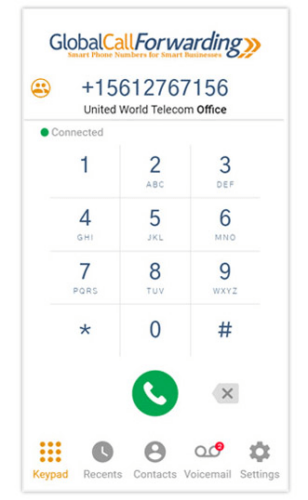
A softphone is a software that converts a device into a phone that makes and receives calls over the internet. In other words, it enables any device such as a computer, laptop, smartphone, tablet, iPad, etc., to place virtual calls. Add a headset with a microphone, a camera, and a voice over IP service, and you can even make and answer video calls through this software.

A voice over IP service works alongside a softphone as it converts voice signals into digital signals. And then transmits these signals from one destination to another through a stable internet connection. This is how virtual or VoIP calling is possible. Using VoIP technology makes it possible for businesses to stay connected and remain accessible from anywhere in the world.

How Does a Softphone Work?

Softphones run on most devices — Windows, Macs, Android, desktops, laptops, tablets, smartphones, etc. You can use a softphone by downloading a mobile or desktop app or through a web browser. In other words, a softphone is an internet phone that can be used through any IoT device. All you need is a microphone and speaker so that you can make calls without any interruptions. All important phone features are built into the softphone making it a user-friendly and cost-effective business communication solution.

Purpose of Softphones

More and more businesses are switching to VoIP phone systems for their business communications. Because of this reason, softphones are being developed to provide maximum benefit to users. What features come along with your softphone depends on your provider. Some offer extensive, advanced features while others offer basic ones. However, what features you need will be based on what you want to accomplish with your softphone. Consider these questions:

  1. Do you want to simply make and answer calls?
  2. Would you also like to set rules for forwarding and rerouting calls during off-hours?
  3. Would you like a softphone that complements your outbound calling efforts by providing a customizable outgoing caller ID option?
  4. Is it important for you to be able to update contact information and call notes within your softphone? And so on.

Key Features of a Softphone

Softphones are a flexible workplace communication tool that lets your employees easily connect with each other and with your customers. Most standard softphones will allow you to:

  • Make and answer calls
  • Transfer calls to different departments
  • Forward and reroute incoming calls
  • Set call forwarding rules
  • Call outbound by customizing your caller ID to display that of the region you are calling
  • Use call waiting settings
  • Call by dialing through a dial pad
  • Call with a single click
  • Update and manage contacts (name, phone number, email address, physical address)
  • Add important call notes that can be later referenced
  • Check voicemail
  • And more.

Softphone vs Hardphone vs Deskphones

So, how does a softphone compare against a hardphone or deskphone? And does your business need a softphone or deskphone?

Deskphones are the traditional landline phones individuals use to make and receive calls. Hardphones are similar to traditional deskphones in that they look the same (have a base, screen, handle, and buttons) and are plugged into the workstation.

So, what is the difference between a deskphone and a hardphone? Hardphones are connected to the business’ IP network. So, they make and receive calls using the business’ internet connection instead of traditional phone lines made of copper wires. Therefore, headphones are also referred to as IP phones. Deskphones, on the other hand, work through traditional phone lines.

Softphones take the phone system to the next level by enabling communication through software instead of physical phones. Any device capable of making and receiving VoIP calls can be used as a softphone. Softphones have all the functions of a hardphone and deskphone. And since the software runs virtually, you do not need a traditional deskphone or hardphone set-up. This helps your business cut down on equipment-related costs.

Who Can Use a Softphone?

What types of businesses can benefit from softphones? Who uses a softphone or which teams can benefit from a dialer like this? Companies that have the following services or business factors can utilize a softphone to increase productivity and efficiency:

  • Customer support teams
  • Sales and lead tracking teams
  • Call center services
  • Remote or multiple offices
  • Telecommuters
  • Traveling agents
  • International clientele or contacts
  • Businesses that need to record calls, and so on

Why Your Business Need a Softphone

The main reason companies are keen on using VoIP is its great cost-effectiveness. With a voice over IP service and softphone, you can:

  1. Call internationally for lesser fees
  2. Lower monthly communication charges
  3. Work remotely or from any location with the same business number
  4. Use advanced features in one platform

6 Benefits of Using a Softphone

Using a softphone for business communications can lead to higher productivity and connectivity while reducing the amount of money your business spends on its phone system. You can streamline communication, ensure in-house and remote teams are connected, and enhance caller experience.

1. Empower Your Team to Communicate Better

By providing your employees with the right tools and technology, you give them the power to do their job well. A softphone lets employees connect from any device and any location. Its user-friendly interface makes it easy to use without any interruptions or missteps. Furthermore, most softphones integrated conveniently into existing CRMs, making it easy for users to access all information and tools in one place.

2. Use Advanced Phone Features

Equipped with multiple call features, you can create a robust phone system and manage incoming calls in a way that works best for your business. Route calls to different teams, groups, and locations, as needed. Customize caller IDs when making outbound calls. Transfer calls in-house. Add customer notes and check voicemails. Record calls. And more.

3. Connecting Remote Teams

Using softphones for remote teams means increasing team connectivity and collaboration. Employees can see when others are online and can connect with others to collaborate on projects or for knowledge-sharing and handover purposes. This way, no matter where your employees and teams are, they can continue to work together seamlessly.

4. Save on Equipment Costs

Since softphones can be used through any device (smartphone, laptop, desktop), your business can save on providing all employees with deskphone and separate, designated phone lines. Instead, employees can just work out of their desktops or laptops. This goes for remote employees as well who can simply use the softphone through their existing device.

Related: How Much Does a Softphone Cost?

5. Encourage Collaboration & Conferencing

Let employees and users collaborate by enabling them to easily connect with each other, share essential information, knowledge, and documents, as well as jump in on conference calls. Increased collaboration and knowledge-sharing lead to better product development as you identify what works well and what doesn’t with regards to your business and your products.

6. No Need for Additional Phone Lines

Lastly, since these business calls can be made through a software solution and not traditional phone lines, you do not need to add or purchase additional phone lines for your business and new employees. All you need is a VoIP phone service from a provider like Global Call Forwarding. And then, simply add and remove users as needed.

Get a Softphone Today

Are you ready to get a softphone to enhance and streamline your business communications? Global Call Forwarding can help! Sign up for our virtual phone number service and use our GCF Web Dialer for any device to make and answer calls through the internet. Call us at 1 (888) 908 6171 to get started!

what is a softphone

How Do I Get a Business Phone Number?

Need a business phone number for your small business? Here is everything you need to know about these numbers and what to consider when purchasing them.

What to Keep in Mind When Getting a Business Phone Number

Business phone numbers are telephone numbers used by businesses to open communication channels between them and their customers. In other words, business numbers are used by customers to contact a business, either to inquire about a product or service or for customer support.

Getting a business phone number is a must as it is one of the first (and most used) methods an interested customer uses. Once a call is made, your team has the opportunity to convert the call into a sale and provide excellent customer service that makes the customer come back for more.

When creating your office phone system, there are a few things to take into consideration such as how to choose:

  1. What business phone system is right for you
  2. The type of business phone number(s) that will complement your needs
  3. What phones or softphones you’d like for placing and receiving calls

Choosing the Best Business Phone System

When you get a business phone number, it is important to invest in a business phone system that supports it. Choosing the right business phone system can be tricky if you do not know what is available. You want a phone system with call forwarding, recording, video conferencing, IVR systems, and more.

Most new businesses will first consider getting a traditional phone system. However, thanks to advancements in technology we can now use cloud phone systems that come equipped with multiple communication features and are more cost-effective.

A cloud phone system works through voice over IP (VoIP); that is, it uses the internet to send voice messages between two parties. This makes it possible to have multiple numbers on the same line, have remote offices connected through the same number, and more. No extra hardware or setup needed. You simply get a business phone number from a VoIP provider like Global Call Forwarding and start making calls using any device you want, anywhere in the world.

How to Pick the Right Business Phone Number Type?

Next, you must choose a business number most suitable for your needs. VoIP providers like Global Call Forwarding offer a variety of options. However, the ideal number for you depends on what you want to accomplish or achieve with it. Here are the different business telephone numbers we offer:

Local numbers
Local phone numbers have specific areas, cities, or states assigned. They have predetermined area codes that distinguish them from other number types. You can get a local number for any city or state you’d like to establish your business in.

Toll Free Numbers
Toll free numbers start with a 3-digit code such as 800, 888, 877, etc. Large and established corporations have been using toll free numbers for years as they tend to generate higher incoming call rates. This is because calling a toll free number is free for the caller. A toll free business number is easy to forward to any location.

International Toll Free Numbers
International toll free numbers (ITFN) give you access to customers and contacts in more than 160 countries across the world. This is a good option for businesses looking to enter new markets and provide global customer support. You can have incoming calls forwarded to your main office or remote offices through an international call forwarding service.

Vanity Numbers
These are great examples of vanity numbers: 1-800-TAXICAB or 1-800-FLA-BLUE. Vanity phone numbers use letters or patterns to create a more recognizable and memorable number.

Deskphones vs. Softphones?

Once you settle on a business phone service, you need to decide how you will handle incoming and outgoing calls. VoIP calls need an IP-based phone from brands like Cisco, Panasonic, etc., to function. A softphone or web dialer enables users to make and receive calls from their computer, laptop, tablet, or any device that is not a traditional desk phone.

Get a Business Phone Number

Now you know how business phone numbers work and what is involved in using a business phone system. To get business phone service from us, you can sign up on our homepage or contact sales at 1 (888) 908 6171.

5 Ways to Earn Trust in the Financial Services Industry

Why is it important for a finance company to earn its customers’ trust? So that they see the value in your company and return. Additionally, returning customers hold the ability to bring new customers to your company. So, what can you do to earn trust for your finance company?

Finance Companies: Top Ways to Earn Trust

There are a few different ways of earning customer trust and respect. These range from improving the way your business and its employees interact with clients to using technology and marketing to your benefit. Here we look at 5 practical ways to earn trust in the financial services industry.

1. Value and Focus on Customer Interaction

This should come as a given. The best way to retain customers and earn their trust is by giving them a reason to trust your company and its services. Care for your clients. Focus on ways to improve client relations and increase positive experiences. Don’t let technology replace human interaction. At the end of the day, customers trust humans more than automated services. Make sure that clients and prospects reaching out through email and phone receive the same (or similar) treatment as they would in a face-to-face meeting.

2. Improve Transparency and Credibility

The best way to earn trust with current customers is by being forthright and transparent with them. Gaining new customers is more expensive than retaining existing ones. And therefore, your finance company should focus on customer satisfaction and retention. In other words, what can you do to provide honest, ethical, and good customer support?

Avoid hidden agendas and surprises in payments and billings. Run through your terms and conditions with them in detail. Explain early termination fees and other fees they should be aware of. Help them understand ways they can avoid damages and unnecessary payments.

By doing so, you will be creating a reputation for your company as one that provides honest work and actually cares for their customers’ concerns and benefits. By informing your customers and clients, the more they understand and value your work, and the more they trust your services. This further helps build credibility and trust.

As your financial services firm builds credibility with customers, it’s important to be in compliance with local and international regulations. Recent laws like MiFID II require all VoIP calls to be recorded. Penalization is among the worst things that could happen to a new financial services business.

3. Take Advantage of Digital Advancements

Any finance company that is not using digital and technological advancements is behind in the game. These advancements can help make processes easier and bring your services to your customers’ fingertips. For example, Positivly combines the principles of positive psychology with digital advancements in modern wealth management to create a stronger connection and build trust.

There are many other ways that financial services companies can incorporate digital advancements to build trust. Here are a few:

  • Optimize your website for smartphones
  • Allow for better digital payment methods: mobile payments or payments, renewals, and account verification through an automated IVR system
  • Create an easy-to-navigate app with helpful and informative resources
  • Use a PSP to accurately and securely accept payments
  • Use the latest cybersecurity to protect your clients and their information from fraud

4. Manage Reputation and Demonstrate Expertise Through Marketing Resources

Market creatively and for the benefit of your target audience. Your marketing strategies can determine how the public views your finance company and its reputation and credibility. Therefore, this is a good way to demonstrate your expertise and good customer service practices.

Produce informative and educational content on your website and optimize it for search engine results. Use social media to highlight important financial advice and information and connect with younger audiences. Generate newsletters with current news and promotions rewarding existing customers. Include reviews and testimonials.

Showing how your company conducts its business and that your employees are experienced and know what they are doing can help earn trust. Use marketing strategies to manage your reputation and improve the way customers view your services

5. Make Your Business Accessible

Lastly, being a financial services company, your company must remain accessible. A well-functioning and reliable business phone service can help you stay connected. Open multichannel communication such as phone, email, live chat, social media, and SMS (instant messaging).

You may even consider getting a toll free number so that prospects and customers can call your office for free. Additionally, if you get virtual business numbers with call forwarding, then you can have calls forwarded to different offices or lines.

Global Call Forwarding can help you set up a reliable business phone system with premium communication features that help in improving customer relations. To learn more, call us at 1 (888) 908 6171.

6 Practical Tips for Managing Virtual Call Center Agents

What are some ways that you, a virtual call center manager, can encourage your employees and agents to perform well? Agents who do their job well will bring more business to your remote contact center and therefore, it is important to keep them motivated and trained. Here are 6 tips to motivate your agents while executing your duties in the most effective manner.

How to Manage Remote Call Center Agents

Managing work-from-home call center agents can be tricky if you do not know where to start. A remote call center works through virtual agents and offices. And this lack of physical office location can prove difficult when it comes to monitoring agents and their interactions. However, there are tools and options available to make this process much easier for managers. Here we will look at the different methods you can try to motivate your agents, monitor their work, and train them to do better.

1. Set and Reiterate Goals

It is important to always be on the same page about the goals and standards of the company. As an agent, what is the agent’s ultimate goal and what steps do they need to take to reach these goals? Provide clear and easy-to-follow instructions and make yourself approachable for any questions or concerns that may arise. Refresh these goals in team meetings or group chats to keep it fresh.

2. Train and Retrain Your Employees

No matter how experienced an agent may be, it is always a good idea to have them go through a brief period of training. This may include refreshing the way certain things are done or running through new software together or doing some practice calls. You may even choose to listen in on a few calls to study how the agent handles themselves. On a similar note, conduct online workshops or group seminars to run through essential training as a refresher for existing agents.

3. Provide Helpful Training Materials

Besides workshops and training, give them access to sales webinars, software tutorials, textbooks, and classes that may help them improve their sales techniques or outbound calling strategies. Having access to these materials will help them stay in touch with the system and processes being used. It will also help them learn about new trends in sales and customer service.

H3: 4. Explain the Importance of Building Strong Customer Relationships

Since this is a virtual call center, efforts must be focused on building strong customer relationships. Therefore, it is important that your agents understand why and how they need to pursue this goal. Educate them on the value of having long-term and returning customers and how loyalty can impact customer retention rates. This information should motivate them positively and encourage them to provide stellar service. This will help improve CSAT scores.

5. Provide Agents with the Right Call Center Tools

Helping your call center agents also includes choosing the right call center software for your call center. Whether it is getting an outbound calling service with an easy-to-use dialer or an IVR system that distributes calls evenly so that no agents become overwhelmed. Having the right resources can make sure your agents are not overloaded with calls and are able to provide solid support.

6. Focus on Improving Quality Assurance

Consider using VoIP call recording to evaluate how agents interact with customers and callers. Here you can identify areas of improvement and highlight appropriate agent behavior. This can also be used for training purposes with the goal to improve virtual call center quality assurance.

Improve Your Virtual Call Center with Global Call Forwarding

Global Call Forwarding offers virtual call center tools such as IVR, outbound calling, call recording, and more. Learn more about our services by talking to an expert today!

Singapore Phone Numbers: The IMDA Numbering Plan Explained

The Republic of Singapore has one of the fastest-growing economies in Southeast Asia. Its booming economy provides great potential for foreign investment. In this article, we will detail the different types of Singapore phone numbers that exist so you can find one suitable for your communication needs.

Telephone Numbers in Singapore

Telephone numbers in Singapore are regulated by the Infocomm Media Development Authority (IMDA). The IMDA created a National Numbering Plan. The National Numbering Plan describes how Singapore phone numbers are administered and managed. It also sets out the eligibility and assignment criteria along with application procedures for various number types.

The goal of their National Numbering Plan is to provide a level playing field for competition and ensure that the number allocation process in Singapore is fair and transparent.

Singapore phone numbers and IMDA explained.

Singapore Numbering Plan and Format

Due to its small geographical size, all phone numbers in Singapore belong to the same area code and are eight digits long. The formatting convention for a Singapore phone number is +65 NXXX XXXX.

According to the National Numbering Plan, phone numbers are classified based on their leading digit. Singapore numbers with leading digits 3 and 6 are reserved for IP telephony and PSTN service, respectively. Shortcodes are typically three or four digits long.

Other special service numbers, such as ITFS and premium-rate numbers, also exist in Singapore.

What Country Code is Singapore?

The country calling code for Singapore is +65. This means that when calling a Singapore phone number from outside the country, the caller should dial +65 followed by the destination number. While inside the country, callers can omit the +65 and simply dial the eight-digit number.

History of the Telephone in Singapore

Singapore is reported to be among the first countries in the East to have a highly developed telecommunication infrastructure. The telephone was first introduced in Singapore in 1879. Since then, there have been tremendous nationwide developments. This helps enable such a small country to have such an advanced infrastructure and thriving economy. Some of the leading exchanges or service providers include Singtel, StarHub, M1, and Global Call Forwarding.

How to Get a Singapore Phone Number

It’s easy to get a Singapore phone number in just a few minutes. First off, we recommend choosing a trusted provider of business phone numbers within the country. Of the utmost importance is high voice quality. In addition to voice quality, we advise that you do not sign a long-term contract. Our service, for example, is month-to-month without any long-term commitment. There is always documentation required to get started, which is standard KYC procedure for any Singapore phone number provider.

Anyone can get a Singapore phone number, even if you’re located outside Singapore. People who want to answer calls in another country would, however, need to choose a provider with international forwarding capabilities. Once you choose a provider, you can get started in just a few easy steps. The best providers usually have Singapore numbers available for fast online activation.

Singapore Virtual Phone Number Pricing

Through our evaluation of the top phone number providers, we recommend that you choose a provider offering month-to-month service. Once again, you must be able to stop the service if the need arises. This is the monthly pricing that we found for phone numbers in Singapore:

Singapore Toll-Free Numbers

Singapore toll-free numbers are for businesses operating in Singapore. The formatting convention is 800 XXX XXXX. They have existed for years and continue to be in high demand due to their ability to attract potential customers. Customers do not have to worry about high calling rates when calling a business with a toll-free number.

Additionally, individuals associate toll-free or 800 numbers with established businesses, improving your company’s visibility and credibility. This encourages them to connect with you regarding product inquiries or customer support.
CSAT cta

Benefits of Singapore Phone Numbers

So, what are the benefits of Singapore numbers? Here are some advantages when you get a Singapore number:

  • Expand your business to Singapore
  • Create and maintain a local presence that will benefit your business
  • Explore new markets and customer bases
  • Increase sales and lead generation in Singapore and
  • Provide local or toll-free customer support
  • Increase your business’s professional appearance and improve regional credibility
  • Route calls to anywhere in the world via a stable internet connection
  • Keep your remote offices well-connected

Learn More About Singapore Phone Numbers Today

To get a phone number in Singapore or learn more about how they can boost your business’ communications, call us at 1 (888) 908 6171!

Top 9 Virtual Phone Number Providers [2026]

Choosing a virtual phone number provider can be a daunting task. There are so many service providers that exist in today’s market. This guide helps you navigate the best virtual phone number providers in 2026.

What is the Best Virtual Phone Number Service

Virtual phone numbers (also called hosted phone numbers) are telephone numbers that route calls over the internet; that is “virtually.” VoIP services make a lot of sense for small and medium sized businesses. In fact, studies show that more than 30% of all businesses worldwide are using some type of virtual number service.

It can help businesses reduce telephony costs while scaling their communication systems. There are so many options available today that can expand the capabilities of any business phone system.

What Are the Types of Virtual Phone Numbers?

There are several different types of virtual phone numbers available from providers in 2026. We consider the most common types:

  • Local phone numbers: assigned to specific states or cities within a country
  • Toll free numbers: assigned to specific countries with a designated prefix; charges the receiver instead of the caller
  • International toll free numbers (ITFN): toll free numbers for international countries; best for businesses with global offices

Hosted phone number services are typically made possible through international call forwarding. This enables providers to offer number originations in a certain country while they forward calls to other countries worldwide.

Key Factors Considered in Our Evaluation

The most important things to consider when choosing a virtual phone number provider are service, quality, and reliability. First off, we recommend choosing a provider that has been in business for more than ten years. It is also important to choose a provider with an outstanding reputation for call-quality and customer support.

We evaluated the best virtual phone number providers based on more than twenty different factors. Here are some of the many factors that we considered in our evaluation:

  • Pricing: this includes the total pricing for virtual phone number service. We consider whether their plans are priced monthly or annually and whether services are billed annually versus monthly. Some virtual number providers also charge per user. Also, setup costs were taken into consideration.
  • Convenience: it is important to choose a provider that offers convenient ways to get numbers and manage your services.
  • Ease of Use: we always recommend choosing companies that have an easy to use control panel to manage service features.
  • Service Features: IVR is essential in today’s business environment.
  • Customer Support: service and support should be a company’s top priority.
  • Reputation: we checked the Better Business Bureau for complaints against companies in our list.

Who are the Best Virtual Phone Number Providers?

We have put together a list of 9 virtual phone number providers for your convenience based on features offered, variety of plans, set-up/cancellation options, etc.

*Note: Prices and information about the providers mentioned here are current and subject to changes.

1. Global Call Forwarding

Features:

  • Variety of hosted phone numbers: toll free (160+ countries), local, ITFN, UIFN, vanity
  • Mobile accessible numbers
  • SMS-enables numbers
  • Unlimited extensions for different departments
  • SIP trunking and VoIP phone systems
  • Call forwarding options
  • Outbound calling (customizable caller ID function)
  • Call recording (inbound and outbound)
  • Customizable IVR systems

Cost: Global Call Forwarding offers 5 different virtual number plans based on business needs: $12.95/mo, $23.95/mo, $78.95/mo, $158.95/mo, $248.95/mo

Set-up fees: No

Long-term contract: No; cancel anytime

Free trial: 7-day free trial for business accounts

2. Jive Communications

Popular Features:

  • Call management tools
  • Call blocking
  • Custom schedules
  • Find Me/Follow Me feature
  • Integrations
  • Unlimited SMS and messaging

Cost: Contact a Jive representative

Set-up fees: No

Long-term contracts: No; cancel anytime

Free trial: First month free

3. Talkroute

Popular Features:

  • Toll free, local, vanity numbers
  • Outbound calls
  • Interactive voice response (IVR)
  • Call Logs and Reports
  • Single and multi-digit extensions

Cost: Talkroute offers 4 different virtual number plans: $19/mo, $39/mo, $59/mo, and $99/mo.

Set-up fees: No

Long-term contracts: No; cancel anytime

Free trial: Yes, 7-day trial

4. Vonage

Popular Features:

  • Call screening
  • Do Not Disturb function
  • Call monitoring
  • Voicemail (transcript form)
  • Integrations: Salesforce and Zoho

Cost: Vonage offers three virtual phone number plans: $19.99/mo/line, $29.99/mo/line, and $39.99/mo/line.

Set-up fees: No

Long-term contracts: No; cancel anytime

Free trial: 14-day free trial

5. CallHippo

Popular Features:

  • Local, toll free, and vanity numbers
  • Call conferencing
  • Call queuing and barging
  • Smart call forwarding
  • Simultaneous ringing
  • Call recording
  • Analytics and reports

Cost: CallHippo offers 4 virtual business number plans: $18/user/mo, $24/user/mo, $40/user/mo, and customized solutions with features of all the previous plans.

Set-up fees: No

Long-term contracts: No; cancel anytime

Free trial: No

6. RingCentral

Popular Features:

  • Unlimited calling
  • Call recording
  • Voicemail-to-text
  • Analytics and reports
  • Flip calls between devices
  • Call screening

Cost: RingCentral has 4 virtual phone number plans: $29.99/user/mo, $34.99/user/mo, $44.99/user/mo, and $59/99/user/mo.

Set-up fees: No

Long-term contracts: No, cancel anytime

Free trial: Yes

7. OnSIP

Popular Features:

  • Unlimited voice and video calling
  • Call recording
  • Website chat
  • Inbound bridge
  • Voicemail boxes
  • Polycom phones included

Cost: OnSIP has 2 virtual business number plans: $18.95/user/mo and $49.95/mo for each account + 2.9¢ per minute.

Set-up fees: No

Long-term contracts: N/a

Free trial: Yes, 30-day

8. Phone.com

Popular Features:

  • International, toll free, and local numbers
  • Call routing
  • Unlimited extensions
  • Texting services
  • Call management tools (call transfer and forwarding options)
  • CRM integration
  • Voice tagging
  • Ring-ready phones

Cost: Phone.com offers 3 pay-per-minute virtual number plans: $12.99/mo, $19.99/mo, and $39.99/mo. They also offer 3 unlimited plans: $29.99/mo, $37.99/mo, and $49.99/mo.

Set-up fees: N/a

Long-term contracts: N/a

Free trial: No, 30-day money back guarantee

9. Nextiva

Popular Features:

  • Unlimited calling
  • Unlimited video conferencing
  • Call recording
  • SMS
  • Mobile VoIP app

Cost: Nextiva offers two virtual phone number plans: $20/user/mo and $27/user/mo

Set-up fees: No

Long-term contracts: No

Free trial: Yes

Get Virtual Phone Numbers From a Trusted Provider

We can help you get virtual numbers most suitable for your business needs. For an efficient and reliable virtual phone system, consider virtual phone number provider Global Call Forwarding. To learn more, speak to an expert at 1 (888) 908 6171 today!

15 Best Business VoIP Providers [2026]

Need to find a new business voice over IP provider for your office phone system? Look no further! We have put together a list of the top 15 VoIP providers for your convenience.

Who is the Best VoIP Providers for Business?

A voice over IP phone system uses the internet to transmit voice and video messages between two parties. This makes VoIP an ideal and cost-effective solution for businesses with considerable call volumes as virtual calls are cheaper than traditional calls.

Sorting through VoIP providers can be overwhelming. To make the process easier, we have listed 15 voice over IP providers and provided information regarding:

  • The features they offer
  • Any set-up or cancellation fees
  • Long-term commitment requirements
  • Free trial information
  • Costs and plans available

With this information, your business can find the ideal cloud phone system for office communication. To learn more about the various factors involved in finding the most suitable provider, read our article about choosing the right VoIP provider.

*Note: Prices and information about VoIP providers noted in this post are current and subject to changes.

1. Global Call Forwarding

Features:

  • Variety of virtual phone numbers
  • International toll free numbers for more than 160 countries
  • Unlimited extensions for different departments
  • Fax, SMS, and Voicemail to Email
  • Various call routing options
  • Business VoIP
  • Virtual call center features:
    • Call recording
    • Outbound calling with customizable caller ID
    • Customizable IVR systems, etc
  • Online account management
  • 24/7 customer support

Set-up fees: No

Long-term contract: No; cancel anytime; no cancellation fees

Free trial: 7-day free trial for business accounts

Cost: Global Call Forwarding offers 5 different virtual number plans that come equipped with VoIP features. These plans start as low as $7.96/mo.

2. Nextiva

Features:

  • Unlimited calls, texts, faxes nationwide
  • Unlimited video conferencing
  • Free HD phones
  • Mobile VoIP app
  • Call recording
  • Toll free minutes
  • SMS

Set-up fees: No

Long-term contracts: No

Free trial: Yes; 30-day full refund guarantee

Cost:

  • Professional — $20/user/mo
  • Enterprise — $27/user/mo

3. Vonage

Features:

  • Call analytics and reporting
  • 24/7 US customer support
  • Expert installation
  • Integrations: Salesforce, Zendesk, Zoho

Set-up fees: No

Long-term contracts: No; cancel anytime; no cancellation fees

Free trial: 14-day free trial

Cost:

  • Mobile — $19.99/mo/line
  • Premium — $29.99/mo/line
  • Advanced — $39.99/mo/line

4. RingCentral

Features:

  • Unlimited calls, fax, SMS, conferencing
  • Document sharing
  • Voicemail-to-text
  • Call recording
  • Integrations: Office 365, G Suite, Slack, etc
  • Analytics and reports

Set-up fees: No

Long-term contracts: No, cancel anytime

Free trial: Yes

Cost:

  • Essentials — $29.99/user/mo
  • Standard — $34.99/user/mo
  • Premium — $44.99 /user/mo
  • Ultimate — $59.99/user/mo

RingCentral offers discounts if plans are paid annually instead of monthly.

5. 8×8

Features:

  • Unlimited calling and faxing (up to 47 countries)
  • Video conferencing
  • Mobile app
  • SMS
  • Team messaging

Set-up fees: No

Long-term contracts: No; cancel anytime

Free trial: Yes, 30-day

Cost: Plans starting at $12/mo. To get a customized quote, contact 8×8’s sales team.

6. Ooma

Features:

  • Mobile app
  • Easy DIY set-up
  • Virtual receptionist
  • Extension dialing
  • On-hold music
  • Conferencing
  • Keep your current phone number or purchase a new one

Set-up fees: No

Long-term contracts: No; cancel anytime

Free trial: 30-day free trial

Cost: Plans starting at $19.95/user/mo

7. Dialpad

Features:

  • Voice, video, text sharing on any device
  • AI tech to transcribe calls
  • Add and edit employees and users
  • Encourages remote working
  • Business SMS
  • Integrations: G Suite, Salesforce, Zendesk, etc
  • Analytics
  • Call routing

Set-up fees: No

Long-term contracts: No; cancel anytime

Free trial: 14-day trial

Cost:

  • Standard — $20/user/mo
  • Pro — $30/user/mo
  • Enterprise — contact customer service for a quote

Dialpad offers discounts if paid annually instead of monthly.

8. Zoom

Features:

  • Single app for voice calls, video, meetings
  • HD audio
  • Voicemail
  • Call recording
  • Video and web conferencing
  • Integrations: Salesforce, Microsoft 365, G Suite

Set-up fees: No

Long-term contracts: No

Free trial: 14-day trial

Cost:

  • Basic — Free
  • Pro — $14.99/mo/host (up to 9 hosts per account)
  • Business — $19.99/mo/host (10+ hosts per account)
  • Enterprise — $19.99/mo/host (100+ hosts per account)

9. Jive

Features:

  • Convert computer, mobile into calling device
  • Free video conferencing
  • Screen sharing
  • Unlimited SMS and messaging
  • Auto-attendants
  • Call queues
  • Integrations
  • Voicemail and fax

Set-up fees: No

Long-term contracts: No; cancel anytime

Free trial: First month free

Cost: Contact sales for an exact quote.

10. OnSIP

Features:

  • Polycom phones included
  • Unlimited voice and video calling
  • Call parkingCall recording
  • Sayso website chat
  • Ring groups
  • Announcements

Set-up fees: No

Long-term contracts: N/a

Free trial: Yes

Cost:

  • Unlimited —$18.95/user/mo (includes phones and headsets for 5+ users)
  • Basic — 49.95/mo per account + 2.9¢ per minute

11. PanTerra

Features:

  • System suitable for multi-location and remote users
  • Team collaboration features
  • Free SIP phones
  • Mobility on any device
  • Contract discounts

Set-up fees: No

Long-term contracts: no; cancel anytime

Free trial: 30-day trial

Cost:

  • New Customer offer — $14.96/user/mo
  • Get an exact quote by contacting customer support

12. 1-VoIP

Features:

  • Call forwarding
  • Call recording
  • Extension transfer
  • Auto-attendant
  • Call queues
  • Phone included with the Professional plan

Set-up fees: No

Long-term contracts: No; cancel anytime

Free trial: No

Cost:

  • Contact sales for an exact quote.
  • Metered — $14.97/mo/extension
  • Corporate — $19.97/mo/extension
  • Professional — $29.97/mo/extension

13. Mitel

Features:

  • Unlimited calling and conferencing
  • Integrations: Outlook, G Suite
  • Video collaboration
  • Web conferencing (desktop sharing)
  • Mobile apps

Set-up fees: No

Long-term contracts: N/a

Free trial: N/a

Cost:

  • Essentials — $20.99/user/mo
  • Premier — $26.59/user/mo
  • Elite — $38.49/user/mo

14. ClarityTel

Features:

  • Virtual PBX
  • Unlimited calling
  • 40+ calling features
  • Call recording
  • Call transfer and waiting
  • Logs and activity reports
  • Mobile connect and apps

Set-up fees: No

Long-term contracts: No

Free trial: 30-day money back

Cost: Plans starting at $14.99/mo/line. Contact customer support for an exact quote.

15. Intermedia

Features:

  • Free business phone for every user
  • Conferencing calling
  • SIP trunking
  • Contact center reporting and analytics
  • IVR and call routing

Set-up fees: No

Long-term contracts: No; cancel anytime

Free trial: N/a

Cost: Contact customer support for a price quote.

Get VoIP For Your Small Business

Global Call Forwarding offers outbound calling and various call center features for businesses across the globe. These features encourage communication across borders through reliable and high-quality calling. To learn more about VoIP providers and how we can help you build a strong cloud phone system, call us at 1 (888) 908 6171 today!

How Much Does a Call Recording Service Cost?

Investing in a call recording service can be overwhelming if you don’t know where to start or what to look for. Here we discuss what such a service entails and we compare different providers so you can get a better understanding of how much call recording services cost.

What is a Call Recording System?

First, what is call recording and why should you consider this service? A call recording system gives your business the ability to record, download, and review phone conversations. Businesses in almost every industry can make use of this service to:

  • Keep tabs on employee-customer interaction
  • Comply with industry regulations
  • Protect the business from liabilities
  • Provide training material to new employees
  • Increase quality assurance, and more
  • To learn more, check out our guide about the uses of call recording software for business.

Call Recording Device or Cloud-Based Service: Which is Better?

When deciding how to record business calls, you have two standard options:

  • A stand-alone recording device or
  • A cloud-based service integrated within your phone system

How do you decide between them to know which is the better option? Call recording devices are a good option if you want to record calls on one phone connected to your telephone line. To record multiple phones at a time, you will need multiple recording devices.

Recording devices start at $50. However, a good quality device with multi-functionality will prove more expensive. Plus, there is the installation and set-up process that may get complicated based on the type of device and phone system used.

If you are looking to record calls on multiple devices (phones, computers, mobiles, etc.), then a cloud-based model may prove more useful. You do not have to deal with hardware and maintenance as the call recording service is managed by a virtual phone service provider. Plus, it is integrated within your cloud telephony system. This way employees can record, download, and access recordings through the control panel instead of different devices. Everything is stored and available in one place.

How Much Does Call Recording Cost?

Here we look at 3 top call recording services and compare their prices, storage capabilities, and more.

*Note: Costs mentioned in this article are current at the time of publishing and may be subject to changes.

1. Global Call Forwarding

Global Call Forwarding is a virtual phone service provider offering local, toll free, and international numbers to businesses in more than 160 countries. Aside from that, we offer virtual communication services such as call recording, IVR, outbound calling, VoIP solutions, SIP trunking, and more to enhance and improve business communications.

We offer 5 different plans for businesses of different sizes and with different needs. Our plans are based on the amount of calling minutes required per month and additional services. The lowest plan begins at $7.95/mo for 100 minutes. Our most popular plan is billed at $78.95/mo for 2,100 minutes.

You can add our call recording service to your virtual number plan for an additional $3/mo + 2¢/min. This service comes with a default 30-day storage period for recorded calls and records 100% of all calls. However, once the service activates, you can adjust the settings to suit your needs. You can change the percent of calls recorded as well as increase the storage period for up to 6 years.

We also offer transcription and translation add-ons with our call recording service.

2. TollFreeForwarding.com

TollFreeForwarding has 4 different types of virtual phone number plans: Starter, Medium, Large, and High Volume. There are 2 types of plans under each section based on the number of calling minutes needed by the business. These plans start from $9/mo to $63/mo.

Their call recording service like most service providers has an additional cost of $7/mo + 3¢/min. They have 2 types of call recording plans: short-term (30-day storage) and long-term. The short-term plan lets you listen to and download calls online for 30 days. The long-term plan lets you store calls for more than 30 days at 3¢/min/mo.

3. Avoxi

Avoxi provides call center software and virtual communication tools to businesses across the world. They offer 6 different types of virtual number plans for businesses of varying sizes and needs. Their lowest plan is billed at $4.49/mo for 0 minutes while their most popular plan is billed at $25.99/mo for 2195 minutes. The highest plan goes up to $70.00/mo for 8976 minutes.

Avoxi offers call recording with their virtual number plans for an additional $6.99/number/min. This includes a free 30-day storage period. You can also get storage options for 60-, 90-, and 365-day periods. To get unlimited call recording storage, you will need to pay an additional $0.02/min/mo.

Ready to Get Call Recording?

Now that you have a better idea of how much call recording costs, especially with a cloud-based call recording service, it is time to decide which to go ahead with. To learn more about the Global Call Forwarding business call recording software, call us at 1 (888) 908 6171 or chat with us online.

Australia Toll Free Numbers: Comparing the 3 Top Providers

Need Australia toll free numbers for your business? Here we compare three of the top Australia business phone service providers so that you can make an informed decision.

Top Providers: Australia Toll Free Numbers

Picking a provider for Australia toll-free phone numbers can be tricky. One must consider several factors before making a decision, such as:

  • The different services and features the provider offers
  • The pricing models and plans
  • The provider’s credibility and service’s reliability
  • How to get the service
  • The ease of use, additional fees, etc.

Here is a comparison of the top three providers: Telstra, Optus, and Global Call Forwarding.

*Note: The information and prices mentioned in this article are current and are subject to changes and tax inclusions.

1. Telstra

Established in 1975, Telstra is an Australian telecommunications company offering voice, mobile, internet, and television services. They provide plans for individual, business, and enterprise use.

What they offer:

  • Toll free numbers
  • HD, video, Wi-Fi calling
  • SMS plans
  • Office phone systems
  • Business internet
  • Unified communications
  • International calling
  • Toll free service in 30 countries

Pricing:

Register on their website and request a callback for a personal consultation to determine business needs and pricing plans.

How to get started:

To sign up or get a quote about their toll free number service, contact customer service through their website.

2. Optus

Optus — also known as Singtel Optus Pty Limited — was started in 1981 with a vision for creating a well-connected Australia. This includes providing communication regionally as well as internationally. They have telecommunication services for individual use and business use. The company is headquartered in Sydney, Australia.

What they offer:

  • Toll Free numbers
  • Mobile plans
  • Satellite and 4G
  • Optus Loop (VoIP phone solution with call recording, CRM, dual identity)
  • Office broadband
  • Multiple phone lines
  • Global SIP
  • Phone systems, and more

Pricing:

Monthly Access Fee: Basic Value
Minimum Total Cost over 12 months: $330; excluding call charges
Charges for calls received on a fixed line: Local calls (per minute)
National calls (per minute)
mobile calls from within Australia (per minute)
8.8c
13.2c
16.5c
Charges for calls received on a mobile number: All calls from within Australia 16.5c

How to get started:

To sign up, request a call back by filling the contact form with your contact and business information on their website.

3. Global Call Forwarding

Global Call Forwarding was launched in 2007 under its parent company United World Telecom, established in 1996. The goal of this company was to become an exclusive outlet for toll free numbers. And so, Global Call Forwarding offers international toll free numbers to businesses in more than 160 countries across the globe. Australia toll free numbers are one of the services offered.

What they offer:

  • Toll free numbers
  • Call forwarding options
  • Inbound and outbound call recording
  • Unlimited extensions
  • SIP trunking for businesses
  • Inbound SMS plans
  • Customizable outgoing caller ID
  • Interactive voice response (IVR systems)
  • Can be used internationally

Pricing:

Global Call Forwarding has 5 different plans. These are based on the size and requirements your business has. Plus, there are no set-up fees and no long-term contracts. Additionally, you can opt for a free trial of 7 days to test their service. Here are the prices for their Australia toll free business numbers with mobile accessibility:

Basic Value Power Premium Enterprise
Price $13.95/month $58.95/month $198.95/month $398.95/month $698.95/month
Monthly Minutes 75 600 2,201 5,250 11,008

How to get started:

The sign-up process for Australia toll free numbers from Global Call Forwarding is simple. You can sign up online through our homepage. Purchase and activate your new toll free number in less than a day. You can add additional premium services such as Rollover Minutes, Call Recording, and Outbound Calling to your plan.

Choosing the Ideal Provider

This decision is based solely on your business’ needs and budget. Would you like a provider offering additional communication services or just the toll free service? What other features would you like to include in your business communication system? And so on.

To purchase an Australia toll free number from Global Call Forwarding, sign up on our homepage. To learn more about Australia virtual numbers, call us at 1 (888) 908 6171.